
Rhode and the Rise of Merchandising as a Core Brand Strategy
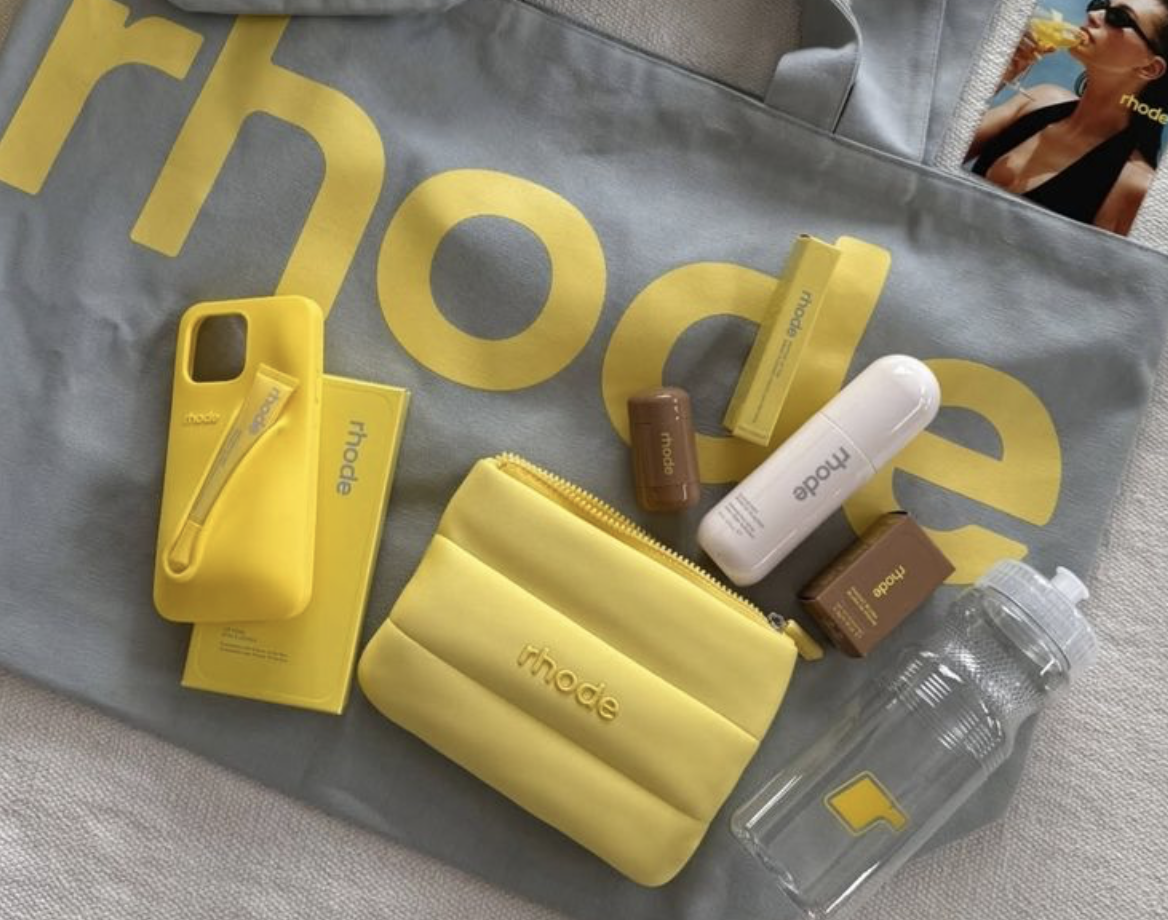
In today’s brand landscape, visibility is no longer the main challenge — relevance is. Consumers are surrounded by products, ads, and launches. What cuts through is not volume, but connection. And increasingly, that connection is built through merchandising.
Rhode Beauty offers a clear example of how merch has evolved from a promotional add-on into a central pillar of brand strategy.
Merch as an Extension of the Brand — Not a Side Product
Rhode doesn’t treat merchandising as a separate category. Its lifestyle objects — phone cases, accessories, towels, everyday items — feel like a natural continuation of the brand universe, not something created “for marketing purposes.”
This distinction matters.
Instead of pushing branded products outward, Rhode pulls its audience deeper in. The merch reflects the same values as the core product line: minimalism, softness, restraint, and aesthetic consistency. As a result, the objects don’t scream branding — they signal taste.
That’s the shift: merch that people choose because it fits their life, not because it carries a logo.
From Customers to Participants
Rhode’s merchandising strategy turns consumers into active participants rather than passive buyers. Owning a Rhode object isn’t just about owning something from the brand — it’s about belonging to a specific visual and cultural language.
These items live in bathrooms, on phones, in daily routines. They show up naturally in photos, mirrors, and social content. The brand becomes present without demanding attention.
This is where merchandising proves its power:
it transforms brand presence from interruption into integration.
Why Merch Outperforms Traditional Marketing
Rhode’s success highlights a broader truth: traditional advertising builds awareness, but merch builds attachment.
Merchandising:
stays in people’s lives longer than a campaign
creates repeated, physical touchpoints with the brand
generates organic visibility through real usage
encourages user-generated content without incentives
In an era where paid media is increasingly expensive and less trusted, merchandising becomes a high-impact, low-noise channel.
Scarcity, Timing, and Cultural Momentum
Another key element of Rhode’s approach is restraint. Merch is not always available. It appears at the right moment, in limited quantities, aligned with product drops or cultural peaks.
This creates:
anticipation rather than saturation
desirability rather than overexposure
conversation rather than background noise
Scarcity doesn’t just drive demand — it reinforces the idea that these objects matter.
Why Merchandising Is Now Essential
What Rhode demonstrates is not just a good execution, but a strategic shift:
Merchandising today is:
a brand storytelling tool
a community builder
a distribution channel for values and aesthetics
Brands that treat merch as optional miss an opportunity to exist beyond screens. Brands that place it at the center gain something far more durable than impressions: presence.
Conclusion
Rhode shows that merchandising, when done right, is not about selling more products — it’s about deepening the relationship between brand and audience.
In a market where attention is fleeting, the brands that last are the ones people can hold, use, and live with.
Merchandising makes that possible — and increasingly, indispensable.