
5 Questions To Ask Before Making Merch
Short resources designed to help you think more intentionally about merchandise before investing into products that don’t work.

Why we created this
We kept seeing businesses invest in merch that felt rushed, disconnected or quickly forgotten.
This guide is designed to help you approach merchandise more intentionally before production even begins.
x Season Stories
1. Would someone genuinely want this, even without your logo?
Most merch gets treated like promotion first and product second.
The strongest products usually feel desirable before branding is even added.
That doesn’t mean removing your identity.
It means creating something people would naturally want to wear, use or keep.
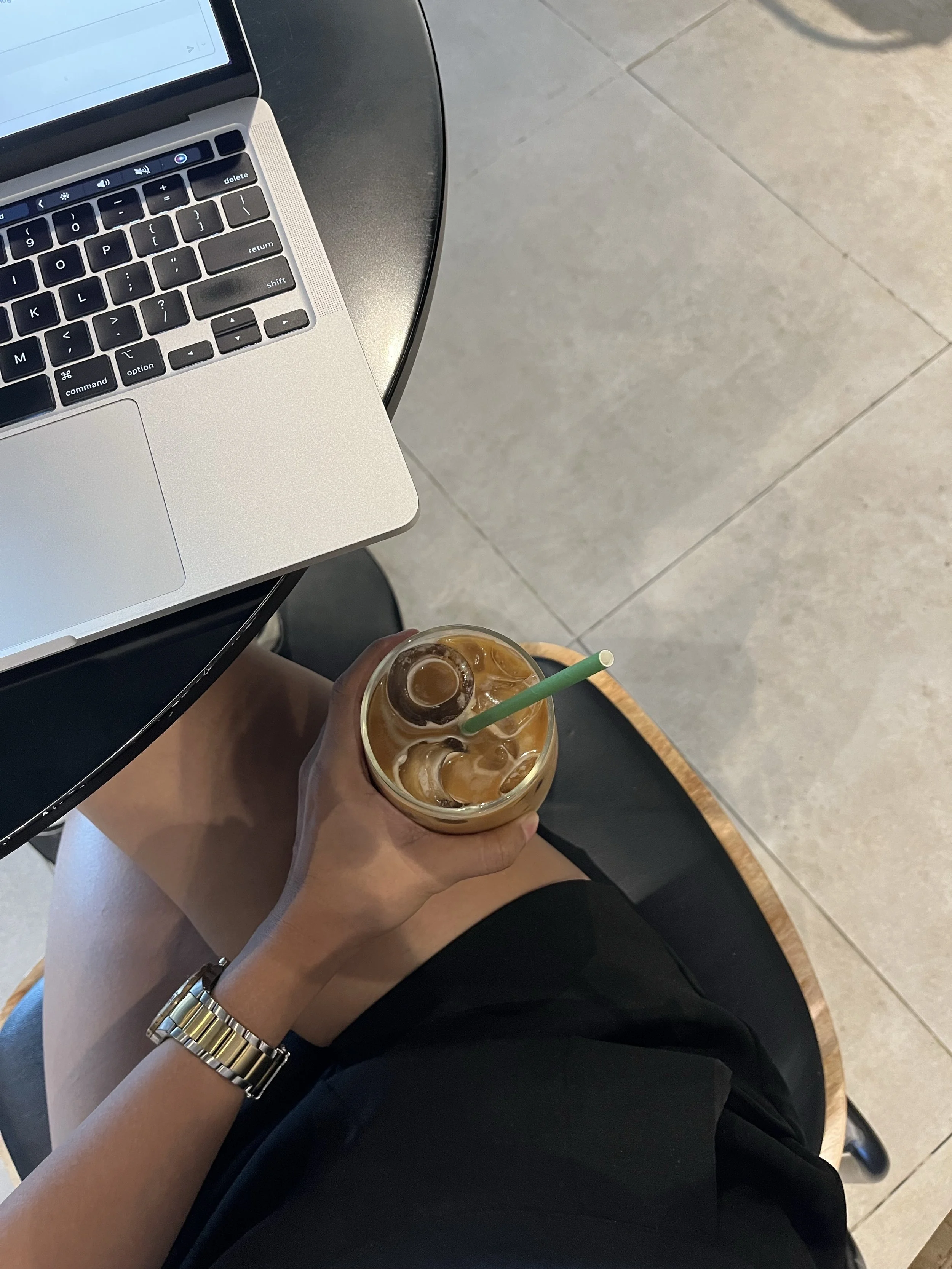
2. Does this actually fit your audience?
Not every audience wants the same thing.
Some audiences respond well to:
premium apparel
collectible products
event-driven merch
subtle accessories
useful everyday items
The best merchandise usually feels natural to the people receiving it.
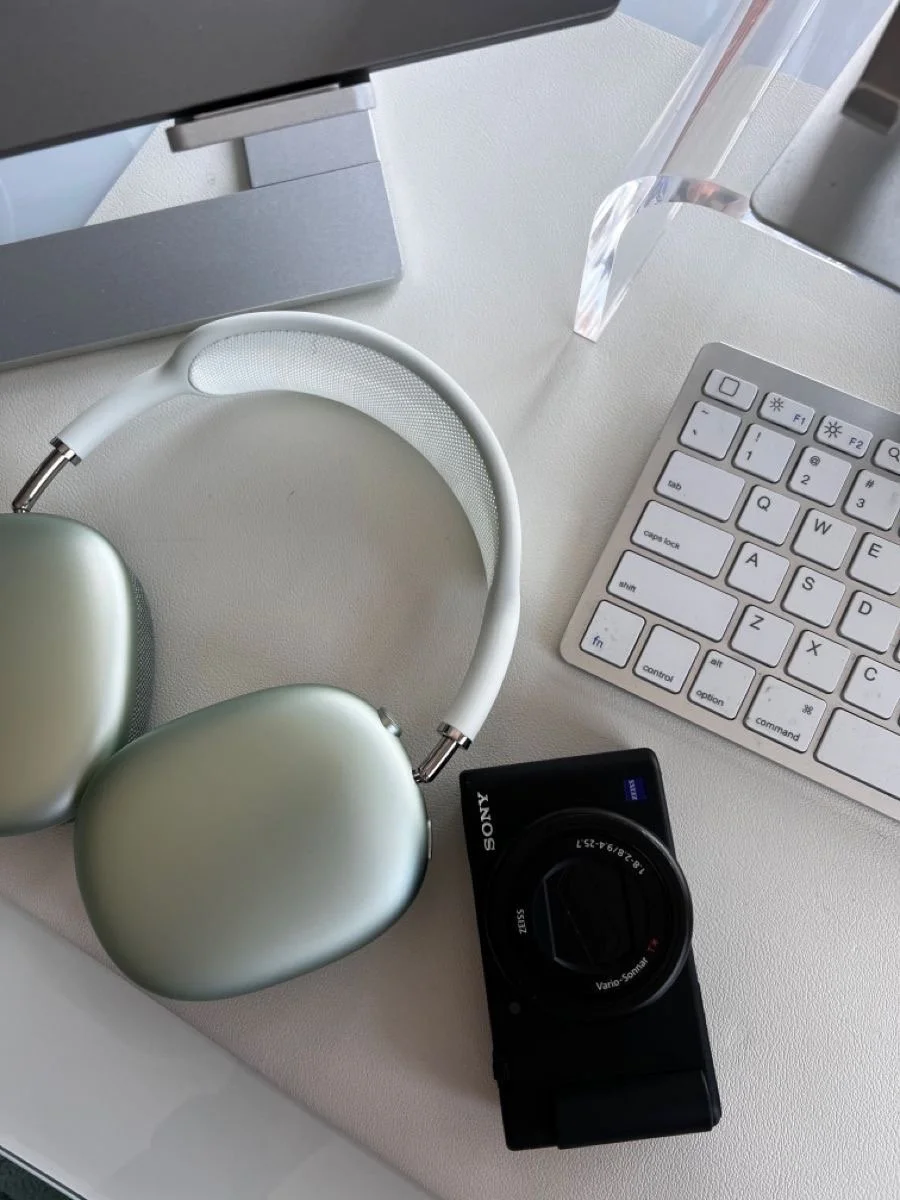
3. What is the purpose behind the merch?
Good merchandise usually supports something specific.
For example:
retail sales
launches
customer gifting
events
loyalty
team wear
visibility
The approach should change depending on the goal.
Because not every product needs to do the same job.
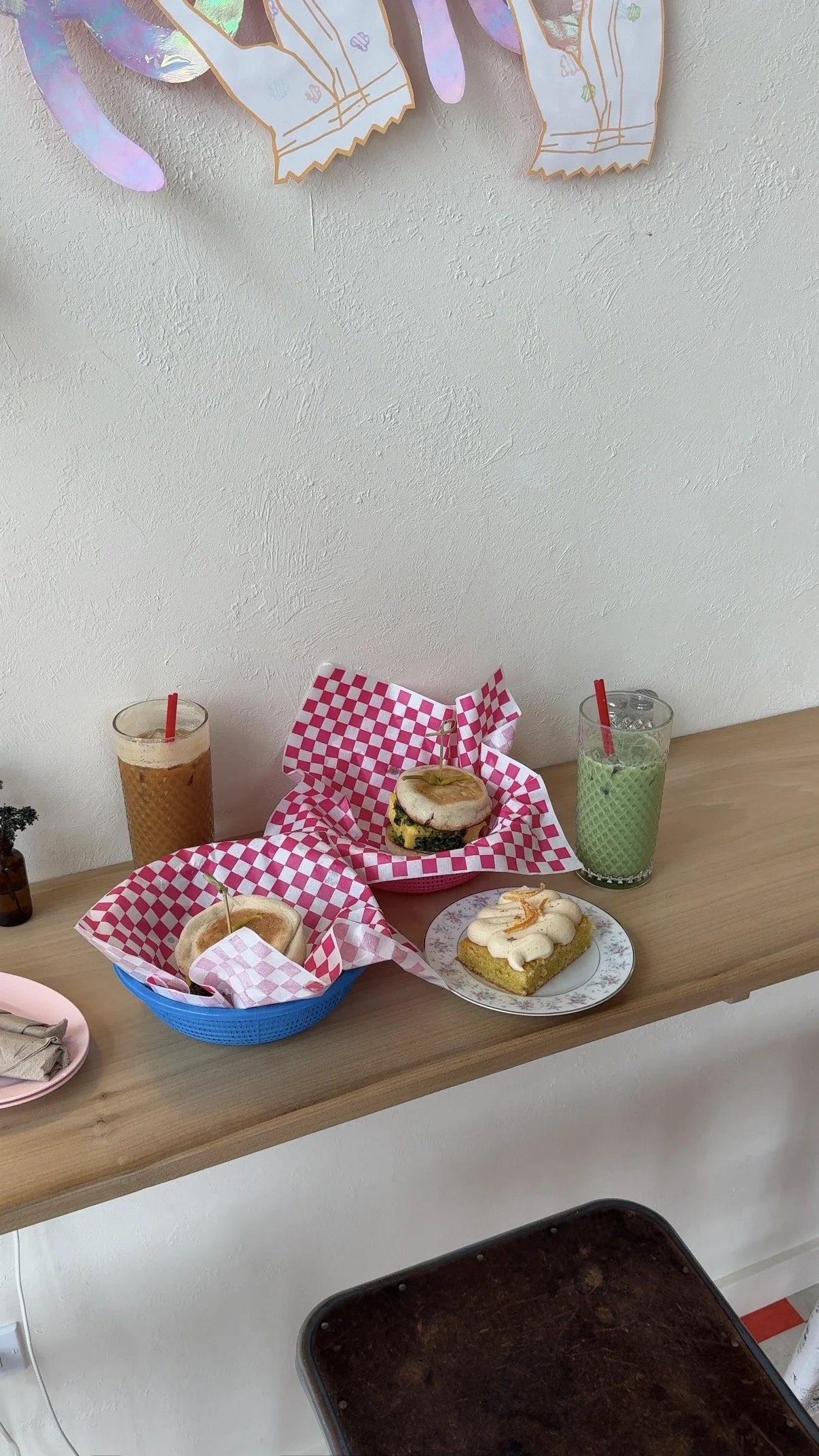
4. Would people keep using this after the first interaction?
The products people keep are usually:
useful
wearable
visually considered
easy to integrate into everyday life
That’s what creates long-term visibility and stronger connection over time.
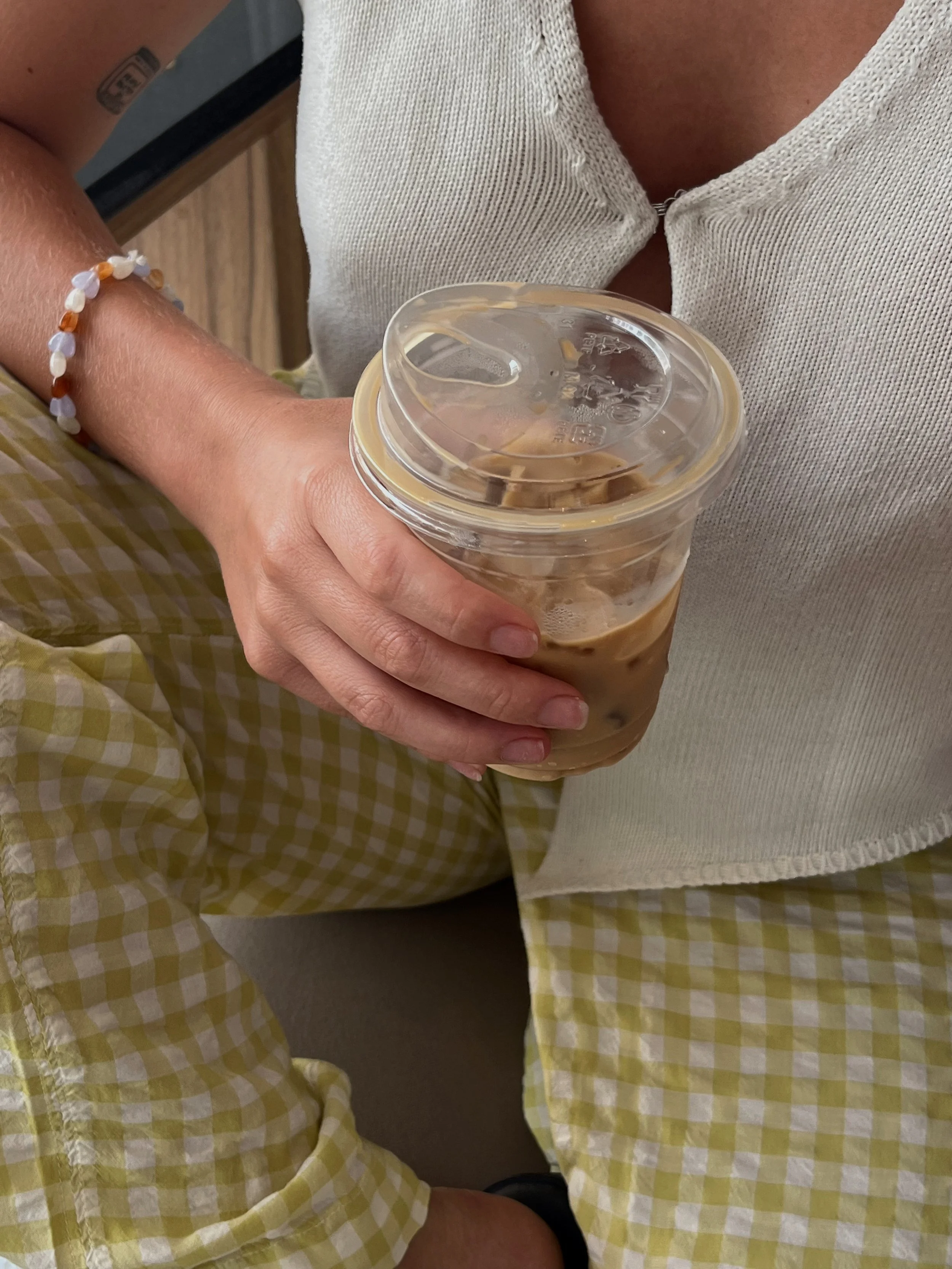
5. Are you choosing products too early?
One of the most common mistakes businesses make is choosing products before defining direction.
Good merchandise decisions usually happen before:
sourcing
production
printing
or quantity planning
Because the most expensive merch is usually the merch nobody wants.
Thoughtful merch starts before production.
At Season Stories, we help businesses create merchandise that feels relevant, intentional and worth investing in — from concepts and design to sourcing and production support.